
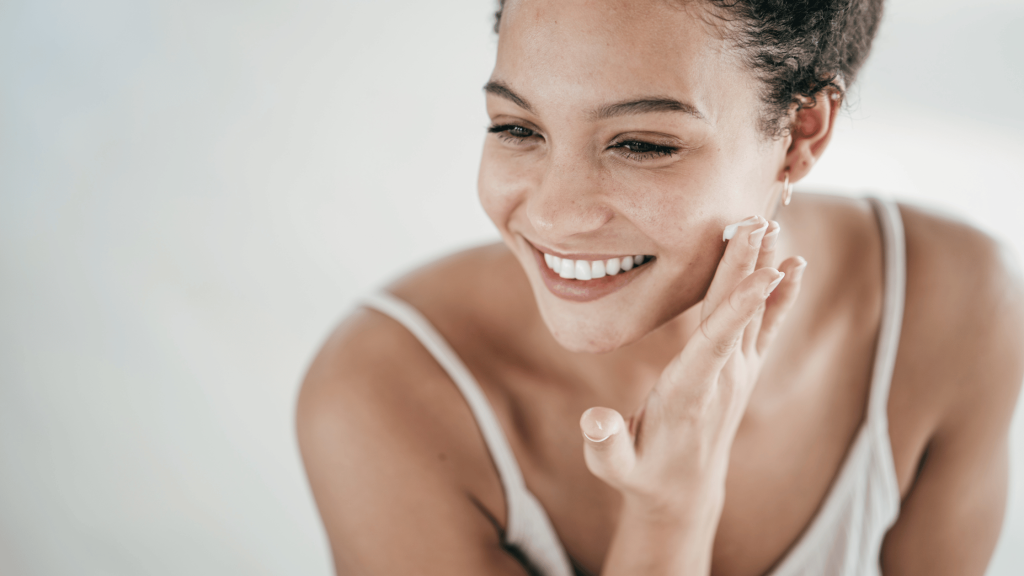
In the world of skincare, one ingredient has been making waves for its transformative effects: tretinol. Derived from vitamin A, tretinol has gained widespread recognition for its ability to rejuvenate and revitalize the skin. From combating acne to reducing the signs of aging, tretinol has become a staple in many skincare routines. Let’s delve deeper into the science behind tretinol and explore its myriad benefits.
Tretinol, also known as retinol, is a powerhouse ingredient that has been extensively studied for its skincare benefits. Its effectiveness lies in its ability to stimulate collagen production, increase cell turnover, and promote the growth of new blood vessels. This results in smoother, firmer, and more youthful-looking skin. However, tretinol is not a one-size-fits-all solution and requires careful consideration and proper usage to reap its full benefits.
One of the primary benefits of tretinol is its ability to treat acne. By unclogging pores and preventing the formation of new blemishes, tretinol helps to clear existing acne and prevent future breakouts. It also has anti-inflammatory properties that can help reduce redness and swelling associated with acne, resulting in clearer and more even-toned skin.
Furthermore, tretinol is renowned for its anti-aging properties. As we age, the production of collagen and elastin in the skin decreases, leading to the formation of fine lines, wrinkles, and sagging. Tretinol works by stimulating collagen production and promoting cell turnover, which helps to diminish the appearance of wrinkles and improve skin firmness. With consistent use, tretinol can help turn back the clock and restore a youthful glow to the skin.
When incorporating tretinol into your skincare routine, it’s essential to start slowly and gradually increase usage to allow your skin to adjust. Tretinol can be drying and irritating, especially for those with sensitive skin, so it’s crucial to use a moisturizer and sunscreen to counteract any potential side effects. Additionally, it’s best to apply tretinol at night, as it can increase the skin’s sensitivity to sunlight.
In addition to its anti-acne and anti-aging benefits, tretinol has also been shown to improve the overall texture and tone of the skin. By promoting cell turnover, tretinol helps to slough off dead skin cells, revealing smoother and more radiant skin underneath. It can also help fade dark spots and hyperpigmentation, resulting in a more even complexion.
It’s important to note that tretinol is not suitable for everyone, and some individuals may experience adverse reactions such as redness, peeling, and increased sensitivity to sunlight. If you have sensitive skin or are prone to irritation, it’s best to consult with a dermatologist before incorporating tretinol into your skincare routine. Additionally, pregnant or breastfeeding women should avoid using tretinol, as it may pose risks to the unborn child.
In conclusion, tretinol is a powerhouse ingredient that offers a wide range of benefits for the skin. From treating acne to reducing the signs of aging, tretinol has earned its reputation as a game-changer in the world of skincare. By understanding how tretinol works and incorporating it into a comprehensive skincare routine, you can achieve healthier, more radiant skin at any age. Just remember to start slowly, be patient, and always use sunscreen to protect your skin from the sun’s harmful rays.
